Getting on and off the bus
Get on and off the bus with ease. Learn how to signal the driver, board safely, tag on and off with your Bee Card and access wheelchair-friendly services for a smooth and comfortable journey with Te Pahi.
Signalling the bus
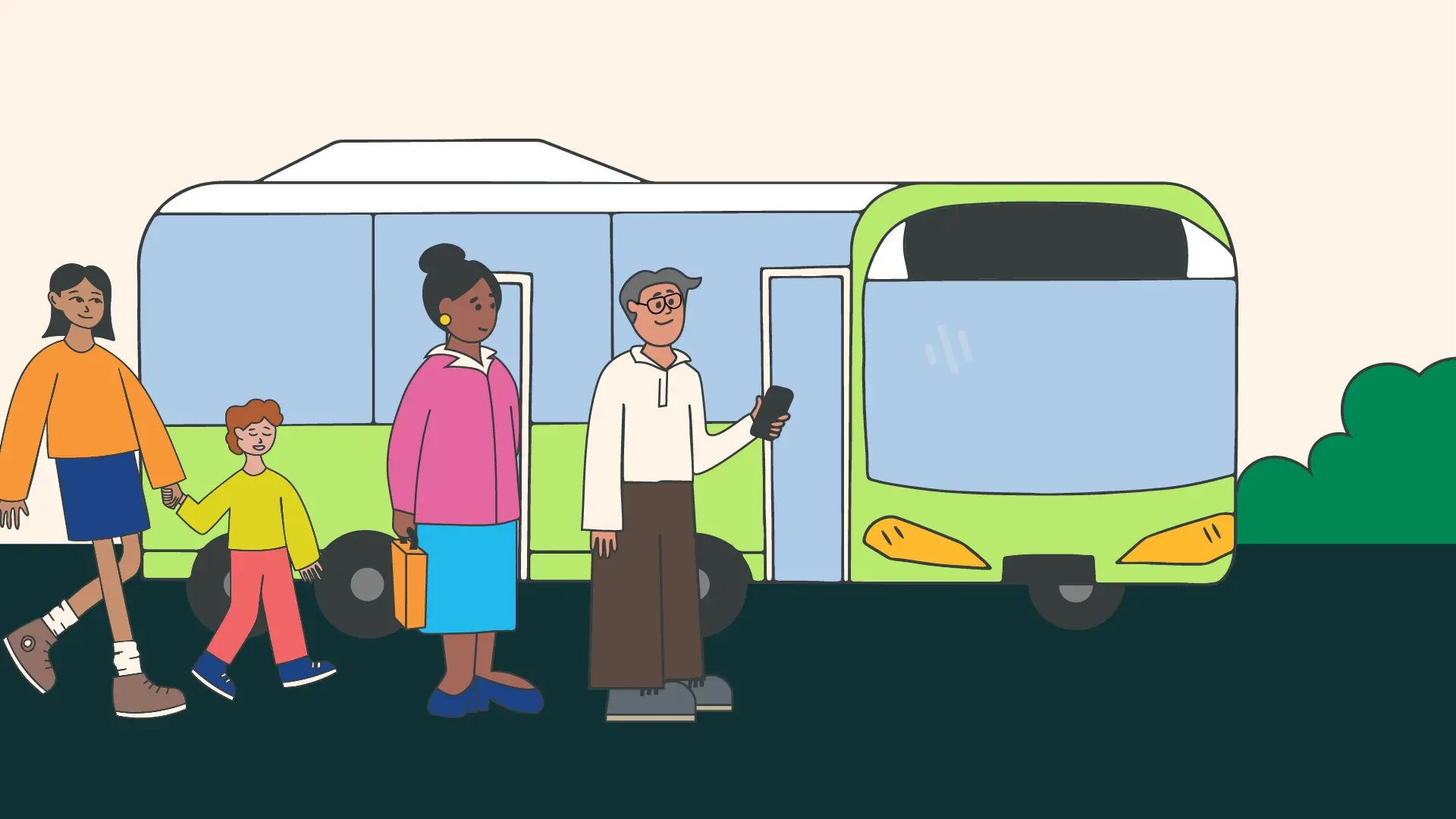
If the bus approaching your stop is the one you are planning to take, stay on the curb and signal the driver with a clear wave of your arm. The driver will then pull over at the stop to allow you to get on board.
You can check your bus in real time using our Live Departures - simply search for your stop and see what buses are due.
Getting on (boarding) the bus
Use the front door of the bus to board (and in most instances, please use the rear door to exit).
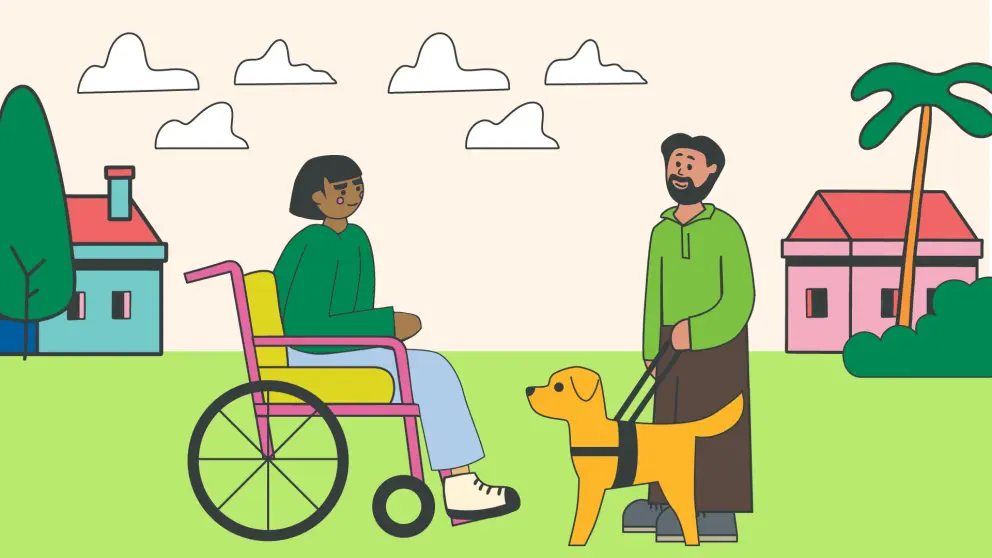
All of our New Plymouth urban buses are wheelchair accessible, with super low floors and ramps. We also have one accessible bus that runs on the 101 Hāwera - New Plymouth route.
Tagging on
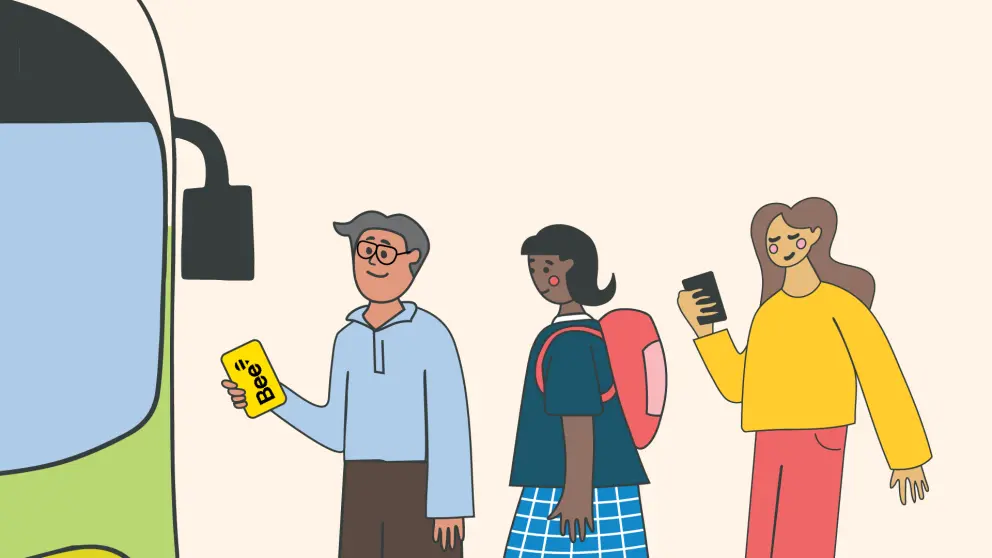
If you are using a Bee Card, please tag on by swiping your card at the reader (located on the pole on your right as you get on, or on top of the unit to the left of the driver) and move through the bus to allow those behind you to board. Remember to tag off when you get off (there’s another reader by the back doors).
Getting off the bus
When your stop is approaching, press one of the Stop buttons located on the poles to signal to the driver that you’d like them to stop at the next stop.
Drivers need time to signal and slow down as they approach a bus stop so be sure to give them a bit of time. If no one is waiting at the stop and the stop button hasn’t been pressed, drivers will pass the stop.
Where possible, please use the rear door when getting off, so everyone can board safely at the front.
Tagging off
If you used a Bee Card to pay for your trip, remember to tag off when you leave the bus. There will be a card reader at the rear door. Tagging off applies any free fare or concession you’re entitled to. Note if you don’t tag off, you’ll be charged a full adult fare by default.
Frequently asked questions
Need tips for getting on and off the bus? No worries! Check out these handy FAQs for easy ways to board, tag on and exit with confidence.
Stand on the curb at the designated bus stop and give the driver a clear wave. They’ll pull over to let you on.
Always use the front door to board and, where possible, the rear door to exit. This keeps everyone moving smoothly.
Yes! All New Plymouth urban buses have low floors and ramps. There’s also one accessible bus on the 101 Hāwera – New Plymouth route.
Hold your Bee Card to the reader near the front door as you get on, then move through the bus so others can board.
Hold your Bee Card to the rear door reader when you leave. This ensures you get any concession you’re entitled to. Forgetting to tag off will charge the full adult fare.
Press one of the Stop buttons on the poles before your stop. Give the driver a little time to slow down - they’ll only stop if someone is waiting or the button has been pressed.
Let passengers exit through the rear door first. This keeps everyone safe and avoids collisions.